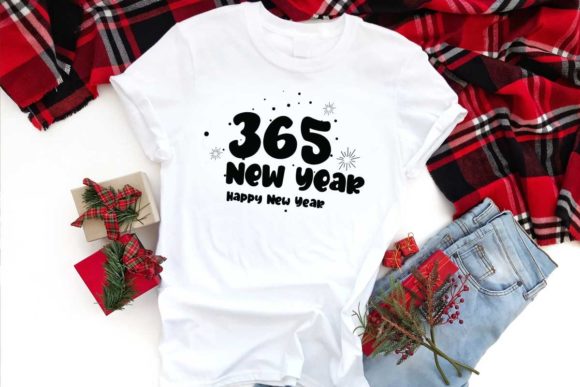
365 New Year Happy New Year
As an embroidery designer and product reviewer, I’ve evaluated countless machine embroidery designs for real-world use. 365 New Year Happy New Year is one that stands out for its simplicity and holiday spirit. It’s a design that feels instantly recognizable, with a clean layout and a bold message that’s perfect for festive projects. The visual personality of the design is warm and inviting, making it ideal for custom apparel, gift items, and holiday decorations.
The First Impression
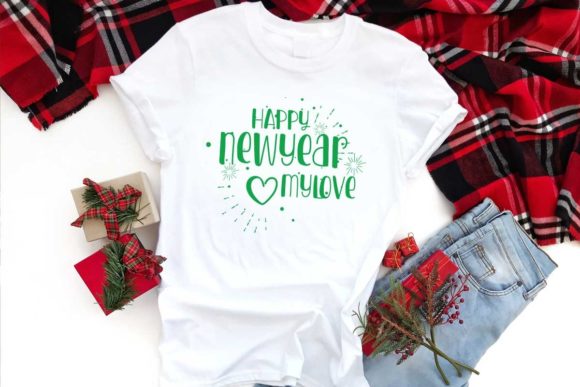
From the moment I opened the 365 New Year Happy New Year file, it felt like a design that was made to be stitched. The shape is straightforward, with a large "Happy New Year" text centered in a circular frame. The detail level is moderate—enough to make the design visually appealing but not so intricate that it would overwhelm smaller hoop sizes or delicate fabrics. The theme is clear: a celebration of the new year, which makes it a natural fit for t-shirts, tote bags, and other wearable or decorative items.
The layout is balanced, with ample space around the text to allow for proper stitching without crowding. This makes it easy to adapt for different project types, from baby onesies to embroidered patches. The design has a friendly, approachable vibe that would work well for both personal and commercial use.
Real-Life Embroidery Performance
I tested 365 New Year Happy New Year on several fabric types and project formats to see how it performed in real-life embroidery situations. On a standard cotton t-shirt, it looked great—clean lines and even stitch density. The design didn’t require any special techniques, which is a plus for beginners or those looking for a quick project.
On a tote bag, the design held up well, though I noticed that the satin stitch on the edges could be slightly more precise. For a more professional finish, a bit of touch-up might be needed, especially if the bag is going to be used frequently. On a sweatshirt, the design looked good, but I’d recommend using a stabilizer to prevent puckering, especially on lighter-colored fabrics.
For baby clothes, the design is suitable, but I’d advise checking the thread color contrast carefully. A bright red or blue on a light background works best, while darker threads may not show up as well. For caps or hats, the design could be adapted, but it might need to be resized to fit properly in a small hoop.
Where to Use Carefully
While 365 New Year Happy New Year is versatile, there are a few areas where caution is advised. On small hoop sizes, the design may need to be split into sections, which can affect the overall look. Textured fabrics or stretchy materials may cause the stitches to pull or distort, so testing on scrap fabric first is essential.
Thin or dark fabrics can also be tricky. If the design is too dense, it may cause the fabric to pucker or become stiff. In such cases, adjusting the stitch density or using a different type of stitch, like a running stitch, might help. For layered garments or curved surfaces, the design may require some adjustments to ensure it sits correctly without bunching.
Small details, like the corners of the circular frame, could benefit from a bit more refinement. Tiny lettering might not be ideal for this design, as it could get lost in the overall composition. If you’re planning to use this for a personalized gift or a handmade product, consider how the design will look when finished and whether it meets your quality standards.
Impact on Visual Appeal and Customer Trust
365 New Year Happy New Year has a strong visual appeal that can enhance the value of any finished product. When stitched properly, it adds a professional touch to custom apparel, making it a great choice for Etsy sellers or small shop owners. The design’s clarity and simplicity make it easy to recognize, which is important for brand consistency and customer engagement.
As a holiday embroidery project, it’s highly giftable. Whether it’s a personalized pillow cover, a custom apron, or a festive tote bag, the design brings a sense of celebration that customers will appreciate. It also works well for commercial embroidery projects, especially during the holiday season when demand for festive items is high.
For craft businesses, this design can be a valuable addition to your digital product library. It’s easy to use, adaptable, and fits a wide range of applications. However, before selling finished items or digital products, it’s important to confirm the licensing terms to ensure you’re compliant with any restrictions.
Practical Designer Notes
Before finalizing any project with 365 New Year Happy New Year, I recommend testing the design on scrap fabric. This allows you to see how the stitches look on different materials and make any necessary adjustments. Checking the thread color contrast is also crucial—especially if you’re using it on dark or light backgrounds.
Reviewing the stitch density is another key step. If the design is too dense, it may cause the fabric to stiffen or the stitches to break. Confirming the hoop size is important too, as some machines may have limitations. Inspecting small details like the corners and edges can help ensure the design looks clean and polished when finished.
Testing the design in black and white mockups can give you a better idea of how it will appear on different fabric colors. Comparing it on light and dark backgrounds can also help you decide on the best thread colors. Using the right stabilizer is essential, especially for delicate or stretchy fabrics.
Finally, always check whether the design is suitable for both personal and commercial projects. If you’re planning to sell finished items or digital products, confirming the licensing terms is a must. This ensures you’re protecting your business and avoiding any legal issues down the line.